How to Choose the Right Screen Printing Partner for Your Business
Finding a reliable screen printing partner can feel like a gamble. You have a stack of blank t-shirts, a tight deadline, and a stack of orders that need to go out. The wrong shop leaves you with faded prints, cracked ink, or shirts that don't fit the way you promised your clients. The right one makes you look good and keeps your operation running smoothly.
Screen printing is not a one-size-fits-all process. It relies on a careful balance of mesh count, ink type, and press setup. A good printer understands how these variables interact with different fabric blends. A 50/50 cotton-polyester blend behaves differently than a 100 percent ringspun cotton tee. The ink needs to bond with the fibers, not just sit on top. If the shop rushes the cure, the print peels after a few washes. That kind of failure hurts your brand as much as theirs.
When you are evaluating a potential partner, start with the artwork process. Most shops ask for vector files, but not all of them handle halftones or fine lines well. If your design has small text or detailed gradients, ask to see samples of similar work. A printer who can hold a 60-line halftone screen and still get clean registration is worth a premium. If they push back on your file format or suggest simplifying the art without explaining why, that is a red flag.
Understanding Turnaround Times and Communication
Time is money in custom apparel. A typical screen printing order takes seven to ten business days from approval to ship. Rush orders can cut that to three or four days, but they usually come with a surcharge. The key is knowing where your printer sits on capacity. A busy shop might quote a longer lead time but deliver consistently. A shop that promises everything in two days may be cutting corners on screen reclaiming or ink mixing.
Communication style matters too. You want a partner who answers the phone or returns emails within a few hours, not a few days. Ask how they handle proofs. Do they send a digital mockup first, then a physical strike-off? A strike-off is a single printed sample on the actual garment. It costs extra but saves headaches if the color has to match a logo exactly. If the shop does not offer strike-offs, make sure their digital proofing is accurate and they are willing to adjust on press.
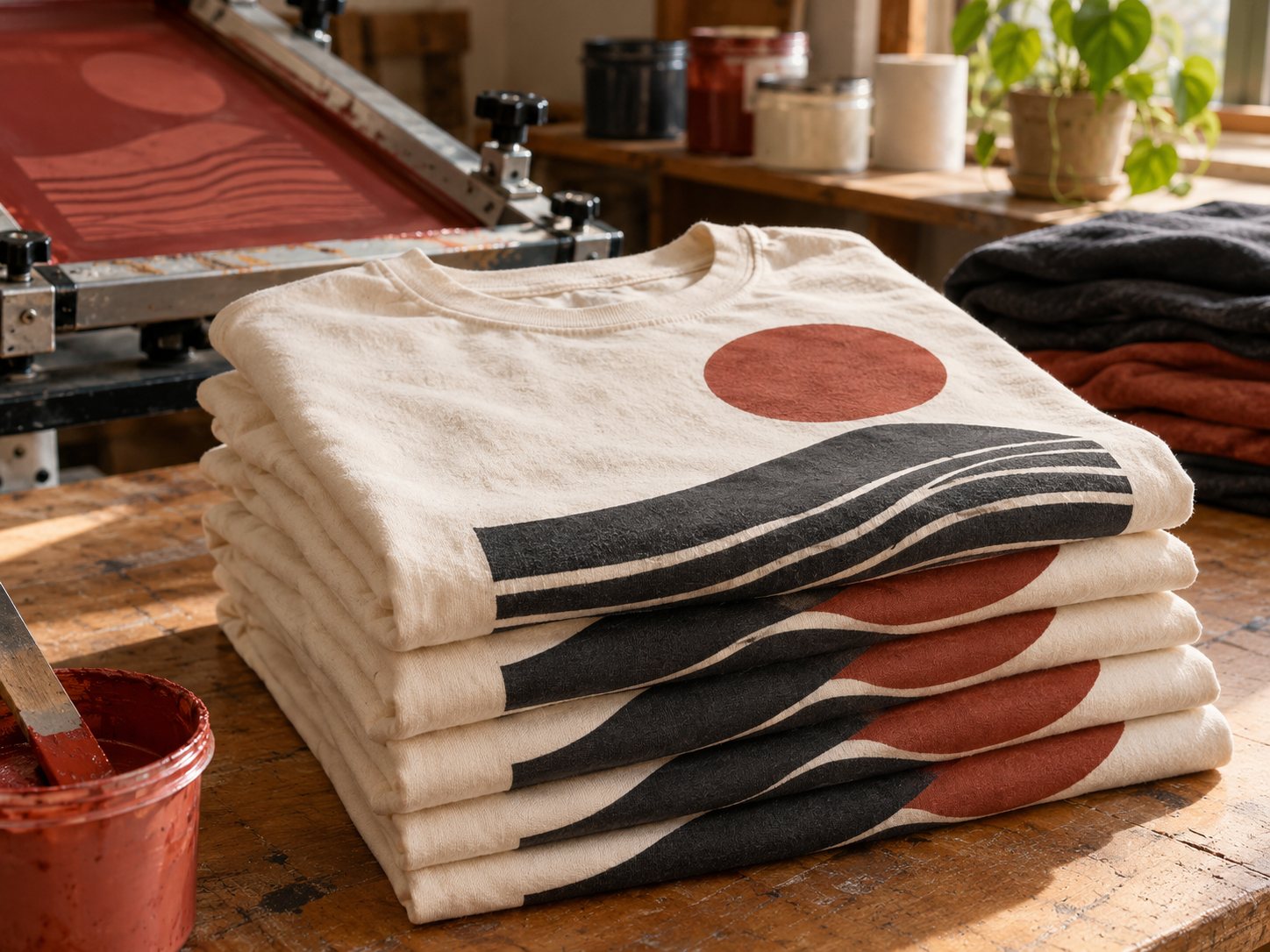
Ink Types and Garment Selection
Not all inks are equal. Plastisol is the workhorse of the industry. It prints opaque on dark fabrics and cures at lower temperatures. Water-based ink gives a softer hand and breathes better, but it requires more skill to print and dries faster on the screen. Discharge ink removes the dye from the fabric and replaces it with pigment, which works well on 100 percent cotton but not on poly blends. A good printer will help you choose based on your garment and the look you want.
Garment selection is just as important. A cheap blank might shrink or pill after a few washes. A premium brand like Next Level or Bella+Canvas holds its shape and feels better against the skin. Your printer should stock a range of blanks and be honest about which ones work best for your design. If they push a specific brand without explaining why, ask for alternatives. You might save a few dollars per shirt, but the customer experience depends on the finished product, not just the print.
What to Look for in a Print Sample
- Edge definition: The print should have sharp edges, not fuzzy or bleeding lines. This is a sign of proper screen tension and exposure.
- Ink opacity: On dark fabrics, the ink should cover the base color completely without being thick or rubbery.
- Color match: Compare the printed color to the Pantone reference. A slight shift is normal, but a mismatch of more than one shade means the shop is not mixing carefully.
- Hand feel: Run your fingers over the print. It should feel smooth, not tacky or raised in uneven patches.
- Wash test: Ask if they have wash-tested the lot. A reputable printer runs a quick wash cycle on a test shirt before the full run.
Pricing and Minimum Quantities
Screen printing has high setup costs because each color requires a separate screen. That makes it cost-effective for runs of 24 pieces or more. For smaller quantities, direct-to-garment printing or heat transfer might be cheaper. A good printer will tell you when screen printing is not the right fit for your order. If they push you into a process that does not suit your volume, they are not looking out for your bottom line.
Pricing breaks down into setup fees, per-piece cost, and sometimes a screen charge. Setup fees cover the screens, ink mixing, and press setup. Per-piece cost covers labor and ink. Screen charges are less common now, but some shops still charge for each screen. Ask for a detailed quote and compare it to the complexity of your design. A one-color logo on a white shirt should cost less than a four-color job on a black shirt with a simulated process.
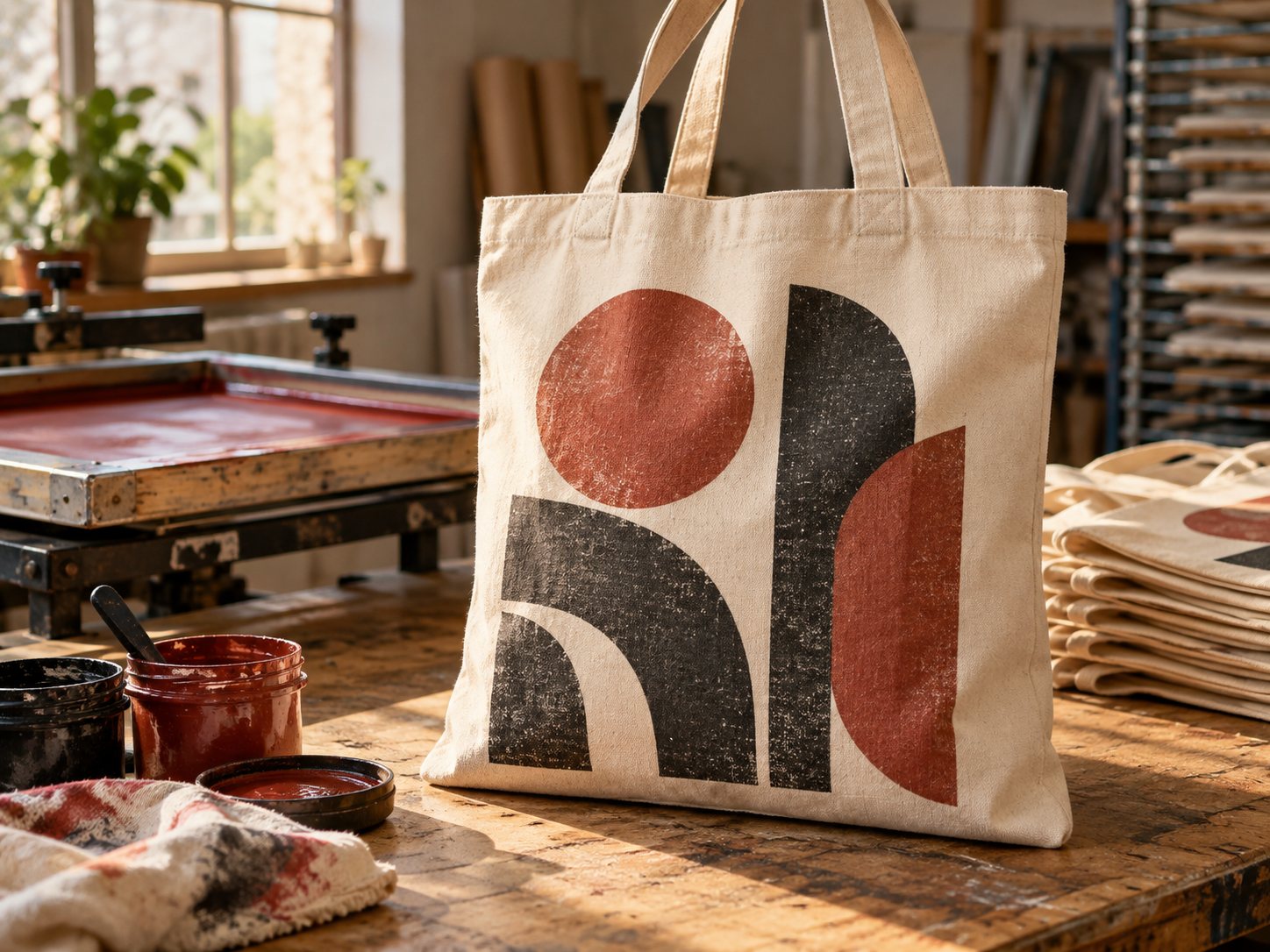
Beware of prices that seem too low. Cheap printing often means cheap ink, rushed curing, or worn-out screens. You might save two dollars per shirt but end up with returns and refunds that eat into your profit. On the other hand, the most expensive shop is not always the best. Look for a mid-range price paired with a solid portfolio and good communication.
Why Location Still Matters
Even in an online world, working with a local printer has advantages. You can visit the shop, see the equipment, and pick up samples in person. You avoid shipping costs on blank garments and finished orders. You build a relationship with the people who handle your work. If something goes wrong, you are not waiting on a courier to resolve it.
Connect with us on Instagram.
For businesses and organizations in Southern California, DSP Printing at 11611 Salinaz Dr Ste O, Garden Grove, CA 92843, USA, offers custom screen printing and embroidered apparel services tailored to local clients. They focus on helping companies outfit their teams with consistent, quality gear that lasts.
Final Thoughts on Choosing a Printer
The best screen printing partner is the one who treats your order like their own. They ask questions about your audience, your timeline, and your budget. They show you samples and explain their process. They do not hide behind jargon or rush you through decisions. Take the time to vet a few shops before committing. Run a small test order. Check their reviews and ask for references. A little effort upfront saves you from a closet full of unusable shirts and a headache with your customers.
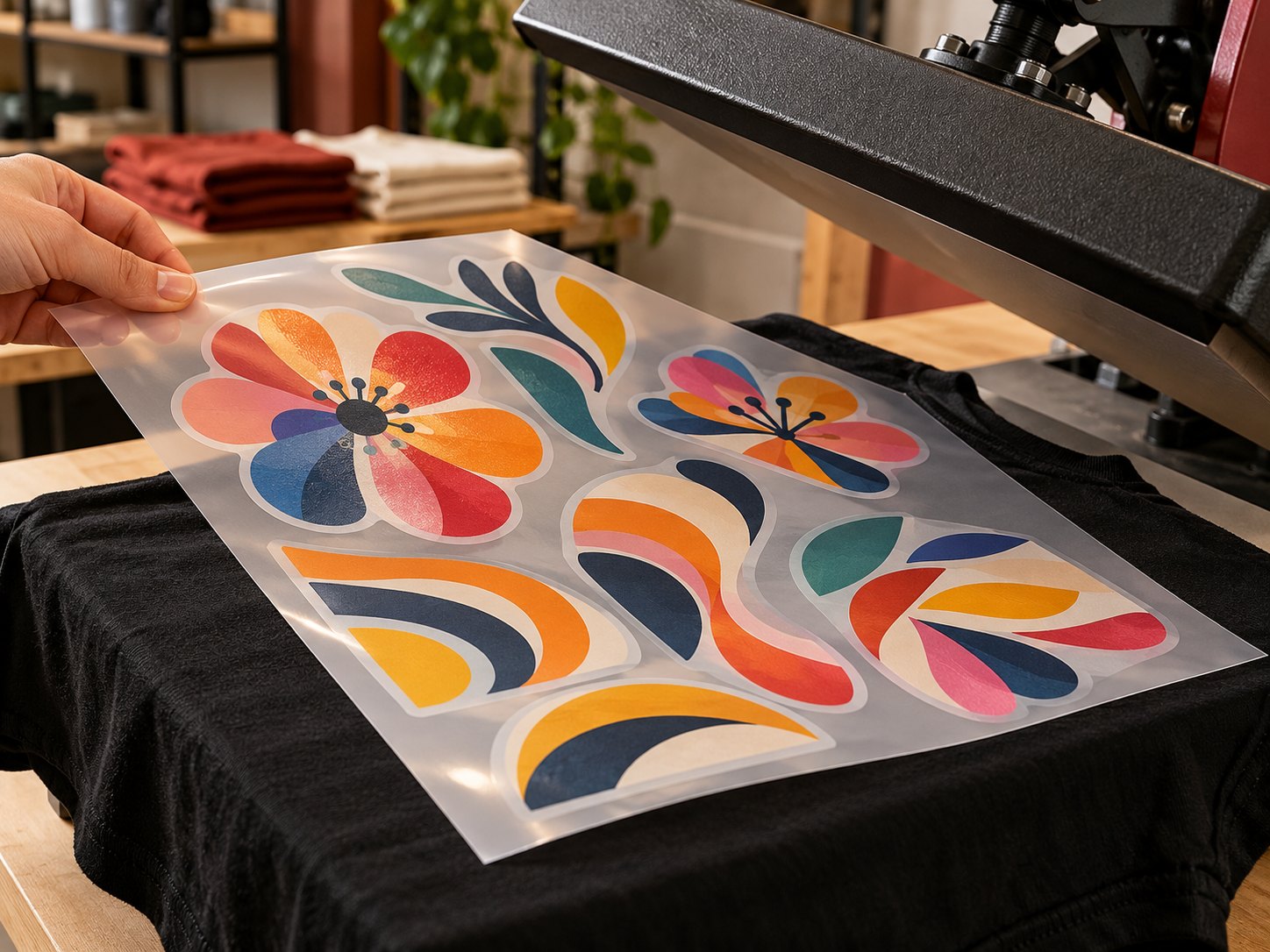
Remember, the quality of your printed apparel reflects on your organization. Whether you are outfitting a sports team, a corporate staff, or a nonprofit event, the shirt you hand someone is a physical representation of your brand. Make sure it represents you well.